Junmo Kim
Postdoctoral Scholar, Department of Anesthesiology, Perioperative and Pain Medicine, Stanford University.
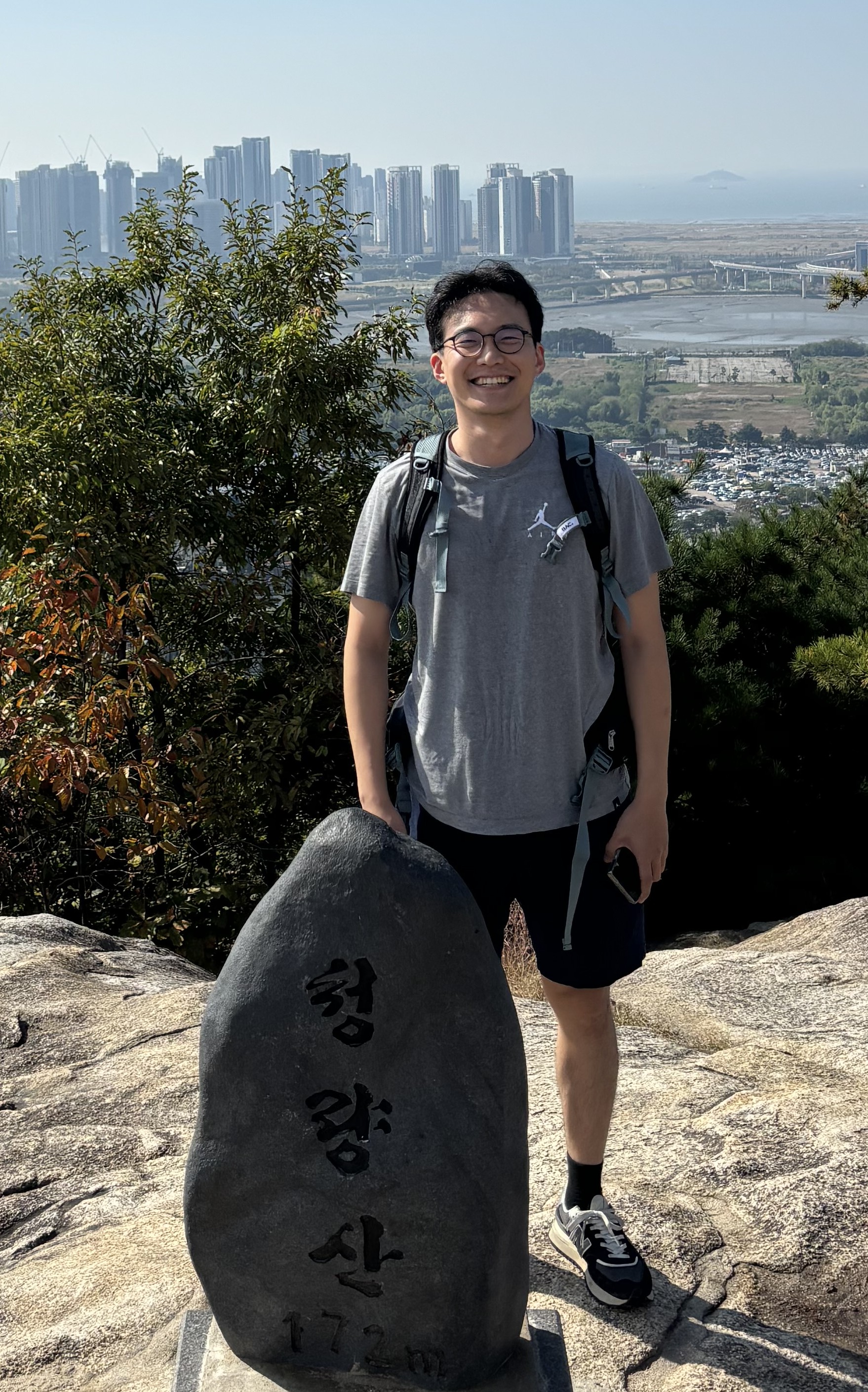
Hello! My name is Junmo Kim, and I'm a Postdoctoral Scholar in the Department of Anesthesiology, Perioperative and Pain Medicine at Stanford University, advised by Prof. Nima Aghaeepour. I received my Ph.D. in Bioengineering from Seoul National University, where I actively worked under the supervision of Prof. Kwangsoo Kim. I obtained my Bachelor's degree in Industrial Management Engineering and Mathematics from Korea University.
I am interested in building multimodal foundation model for biomedical data - integrating electronic health records, unstructured medical data, and multi-omics measurements to enable better clinical prediction and discover novel biomarkers and disease phenotypes.
I have hands-on experience with a wide range of biomedical data modalities, specifically electronic health records (EHRs), including OMOP Common Data Model (CDM) and Clinical Data Warehouse (CDW), physiological signal data, such as electrocardiogram (ECG), and multi-omics data spanning genomics (SNPs), metabolomics, and microbiome.
My current research topics of interest include, but are not limited to, the following:
- Multimodal foundation model for biomedical data
- Discovering new clinical and biological knowledge through AI
- Enhancing generalizability of AI models
News
| Mar 10, 2026 | Our paper on MedRep for general EHR foundation models was published in Journal of the American Medical Informatics Association. |
|---|---|
| Mar 4, 2026 | Our paper on an EHR foundation model for antiobiotic-associated cutaneous adverse drug reaction (CADR) prediction was published in npj Digital Medicine. |
| Dec 16, 2025 |
I successfully defended my Ph.D. dissertation. Dissertation title: Toward Multimodal Electronic Health Record Foundation Models |
| Aug 26, 2025 | MedRep and its graph-free version with DeBERTa weights pretrained with OMOP concept descriptions were released. |
| June 13, 2025 | Our paper on an EHR foundation model for adverse drug event prediction was published in Communications Medicine. |